Leaf it Be
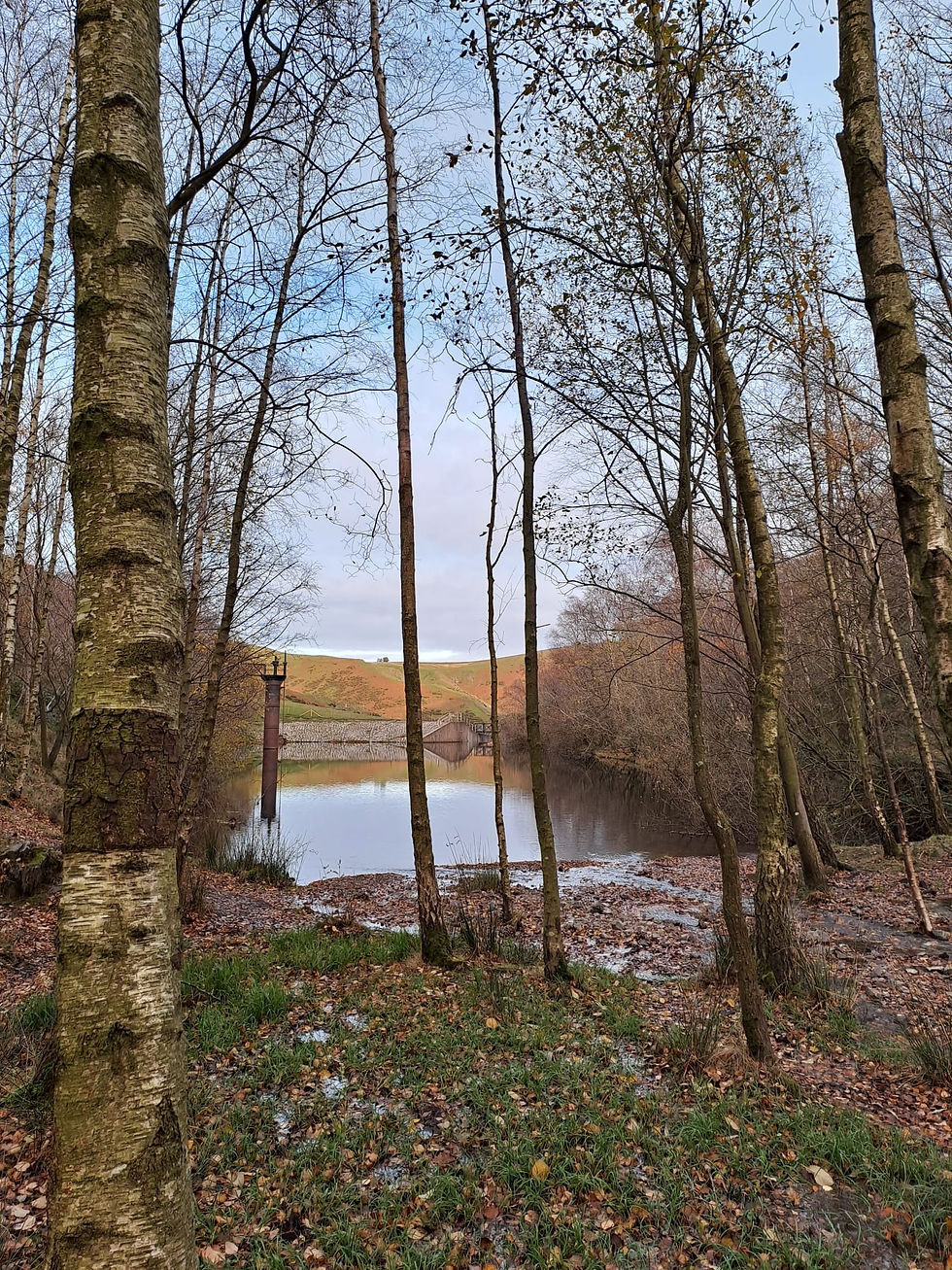
The change of seasons has come upon us so quickly. Now, the morning sky shifts from deep indigo to light grey, the colours of the trees contrasting against the dull background. The vibrant hues of yellow, orange and crimson are tossed about by the wind and crunch underfoot. While these leaves are admired when they are on the trees, they are often swept aside with brooms and shaken off shoes by those who might not recognise the significance of fallen leaves and the advantages of leaving them as they are.
The process of leaf fall helps trees by lowering energy use, preserving moisture, and minimizing wind stress in the winter. However, it also provides advantages to numerous other species that depend on leaf litter.

Letting leaves decompose in gardens fosters an ecosystem. Fallen leaves provide support for decomposers like earthworms and fungi, which break them down into nutrients that plants can absorb. Furthermore, the layers of leaves create homes for soil invertebrates, bees, butterflies, and other pollinators. About 70% of bees reside underground and use leaf litter as additional protection from the cold, whilst many insects enter a pupae phase and rely on the extra protection during hibernation. Additionally, invertebrates within the leaf litter provide a constant winter food source for ground-feeding birds such as robins and blackbirds. Consequently, removing this protection will have a cascading impact on the entire garden's ecosystem.
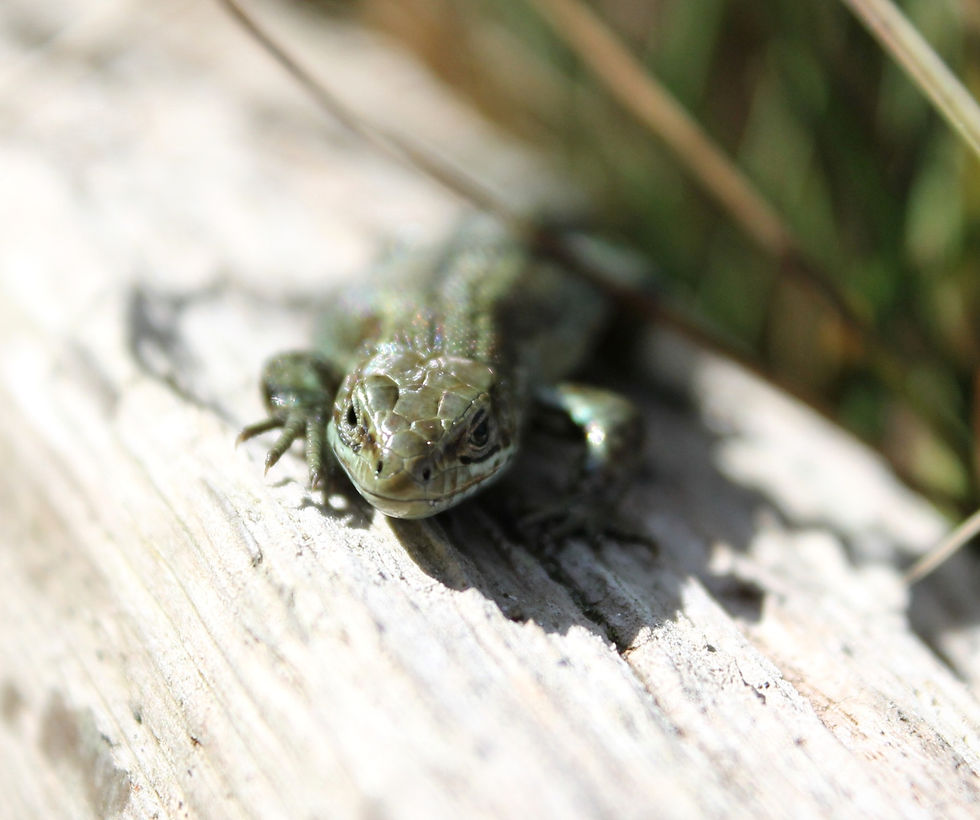
For the avid gardener, leaf fall should be considered your best friend. Whilst decomposing leaves nourish the soil, leaves strewn around plants keeps weeds at bay. The leaves also create habitats for natural predators of slugs and snails, such as hedgehogs, frogs and slowworms. Furthermore, if you're conscious when planting particular wildflowers to attract butterflies, or would like insects to pollinate your fruit trees in the summer, it would be unfortunate to accidentally destroy the winter habitats of your pollinators!
If leaves need to be removed from walkways or relocated to flowerbeds, various methods are available. Gas powered leaf blowers contribute to air and noise pollution, impacting local air quality and the community. These devices are the least environmentally-friendly and sociable choices. Therefore, why not use a rake instead? By doing so, leaves can be gathered to a designated part of your garden to decompose into the soil, without disturbing the pupating moths and butterflies for the upcoming spring.

The more we study the natural world, the more it seems to encourage relaxation. The earth handles all the tasks to maintain a perfectly functioning planet; we simply need to let it be! Or should I say, leaf it be? So, if your neighbour is waking you up at 6am with his leaf blower, consider sending them this enlightening post. You might enjoy some extra sleep while also benefiting the environment—sounds like mutualism to me!

Comments