Sustaining the Season
Updated: Nov 20, 2025
Black Friday is around the corner and Christmas is on the horizon. Online flash sales grab our attention whilst shop aisles are lined with festive items, convincing us they're essential to a successful Christmas. If it used to be £30, but now it's £20, we're basically making £10, right? And how else are we supposed to have the Pinterest-worthy Christmas of our dreams if we don't buy those cute, light-up houses for on the mantle piece? (That was a real thought of mine whilst window shopping last weekend). Yet, whilst I am a sucker for seasonal decor, we have to pause and remember three things.
Firstly, it's likely that we already have items from last Christmas. Even items from other events such as Halloween and birthdays can be repurposed with a little imagination. Would it be easier to buy new items each year and throw it away in January? Of course! But why waste our money and the planet's resources.

The UK Environment Agency has found that household waste increases by around 30% during the Christmas period, whilst it has been shown that plastic bag usage massively increases from black Friday to the end of December. The environmental impact of this is huge with Christmas festivities having the potential to release as much as 650kg of C02 per person. To give us an idea, a UK native broadleaf tree would take around 65 years to take up this amount of C02; that's 2/3 of it's lifetime. So, in order to offset this amount of pollution, we all would need to plant a tree and let it grow for 65 years, every year. And that's only taking the carbon emissions into consideration!
Secondly, they want you to believe that you need it. That's the whole point of the aesthetic photos, the flash sales and black Friday itself. Most of us are aware of consumerism, but it is so easy to forget as soon as you see an adorable gingerbread man candle for £5. It's innocently disguised as if companies are serving us by providing items we didn't know we needed, and we buy into it with a smile on our face and a big "thank you". Meanwhile, we were just tricked into spending our limited money on something we don't need that will likely end up in the back of a cupboard or in the bin by January.
This consumeristic behaviour is further exacerbated by online trends such as 'girl math': the principle that women (often the primary targets for consumerism) can justify spending money if it 'saves money'. An example of this would be: a discount saving money off an item; girl maths tells us that we have made back the money that is saved. Another example would be returning an item and then spending the reclaimed money on something else; girl math tells us that the new item was essentially free. Research on this trend has found that it tends to drive people to justify purchasing what they want rather than what they need, whilst discounts encourage impulse buying due to the feeling of pleasure which comes with saving money and an unexpected price change. Research states that "Girl math promises a sense of happiness in life. Getting the desired item is truly enjoyable." Furthermore, social pressure and product attraction are two factors which influence this behaviour, and companies are using this knowledge to manipulate the trend to push sales.
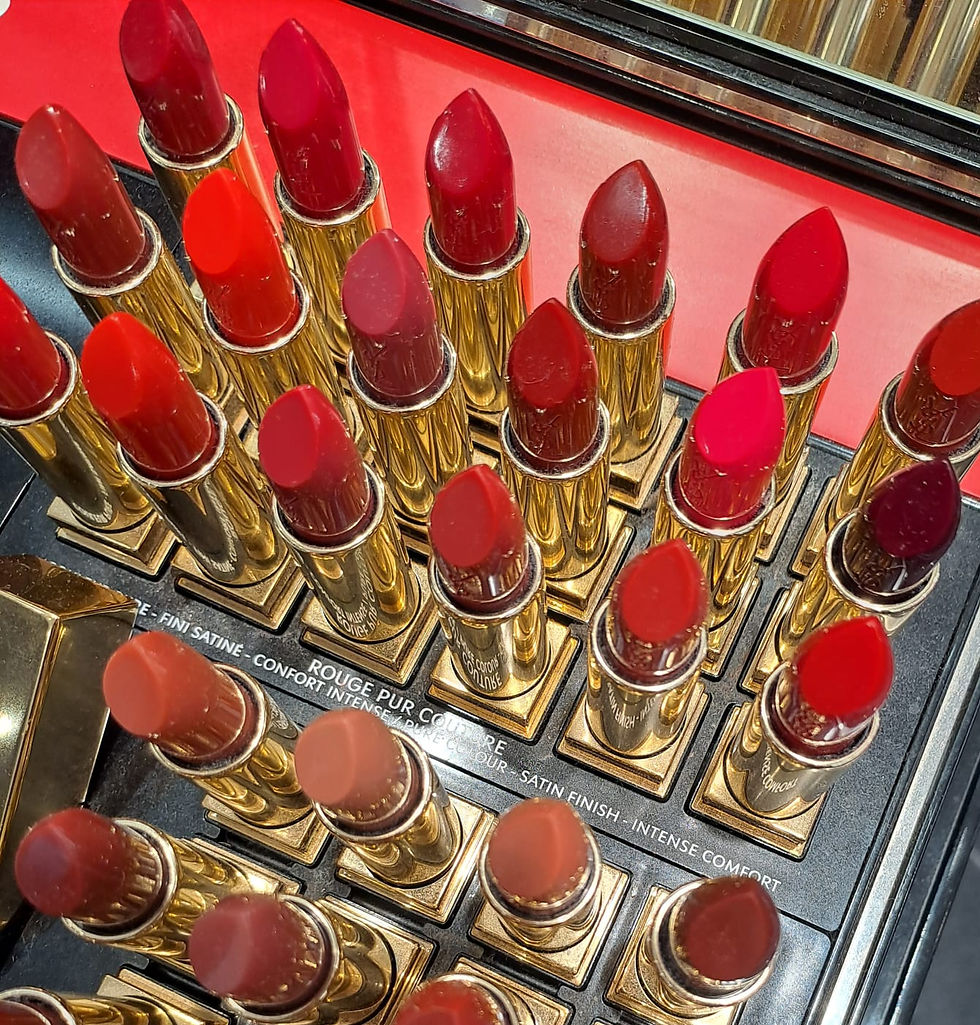
The girl math trend is not a new concept, just a rebrand of a concept called The Lipstick Effect. This is the idea that, as income declines, women's cosmetic purchases increase to raise status during difficult financial periods. But, if we can understand the logic, or lack thereof, behind this concept, we can get ahead of the influence and treat ourselves with simple pleasures such as thrifting a unique candle holder, or decorating some fairy lights leftover from Halloween. It may not provide the same quick 'treat yourself' feeling, but finding joy in a slower and more sustainable festive period may be just what we need to keep the fun going all winter long.
Thirdly, there is a wealth of information and free tutorials online on how to have a free Christmas. By using materials that are already in and around our homes, we can reduce waste whilst decorating our homes in a fun and creative way. This is what we used to spend our Christmas holidays doing when we were young, so why change it up now. It has been found that those with more artistic interests and more active imaginations tend to spend less during the festive season, so let's lean into that in the knowledge that it's helping our pockets and the planet.

Many of us are doing these DIY projects, but perhaps we're spending £30 on a masterclass when we could have done it for free. Imagine an evening with our friends crafting paper stars, or twisting branches from the local park into a wreath. Perhaps consider a Christmas that isn't all matching white and gold, or is this year supposed to be pink and green? What about a Christmas where every year we add to our homemade or thrifted collection of colourful and personal decor items, where every festive party is hosted with a unique aesthetic, and we reduce it to what Christmas is all about. Because isn't this time of year meant to be spending our money on some good food and our time with the people we care about instead of buying into an unachievable life that empties our banks and creates enormous amounts of waste? So why not slow it down and rebrand our own festivities.
If you're stuck for ideas, here are some of my favourites:
Ways to reduce waste from Christmas lights to wrapping
Dried oranges for garlands, wrapping, ornaments and garnishes
Sustainable table decor ideas
Make your candles festive
And, if you're a visual creature like myself, here is a Pinterest board of how to use these ideas to create a beautiful Christmas.



Comments